


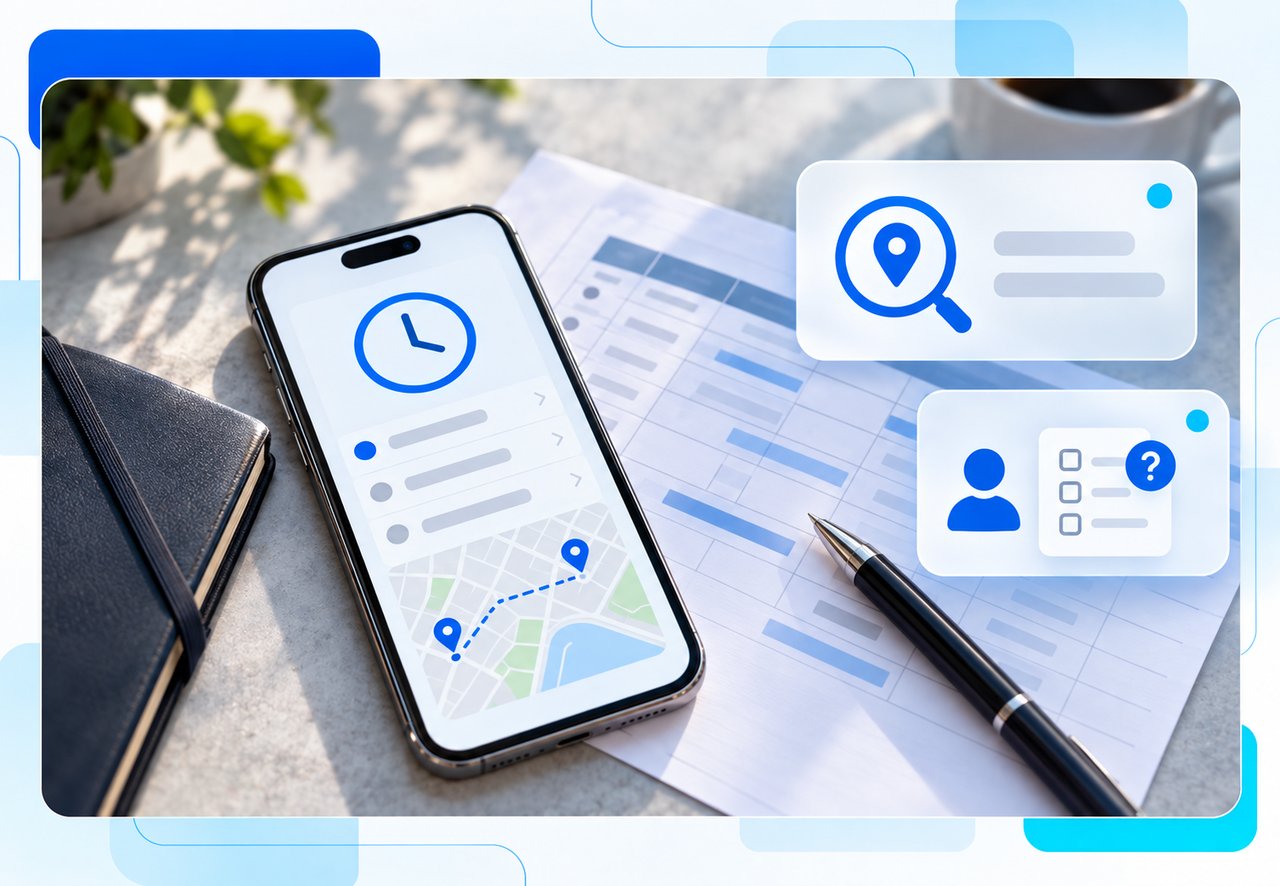


AI is changing how companies review timesheets, expense reports, and compliance with company policies. Policies that once depended on a manager noticing a problem can now be checked more consistently. Missing receipts, unusual overtime, duplicate expenses, and work location exceptions can receive attention much earlier.
That is a positive change. Companies establish policies for a reason, and employees should expect those policies to apply fairly.
But we also need to consider what happens when managers depend too much on AI and employees feel that every activity requires an explanation. Better enforcement has value. So does giving people room to do their jobs and enjoy their time away from work.
Making Policies Easier to Follow
Following the rules becomes harder when requirements are difficult to find, unclear, or applied inconsistently.
When connected to current company policies and submission records, AI can help explain requirements and flag potential problems before submission. A reminder about a missing receipt or required approval gives someone the opportunity to correct an issue before it becomes a rejection.
For managers, AI can bring more consistency to the review process. Employees in comparable circumstances should be reviewed against the same requirements, with approved exceptions documented.
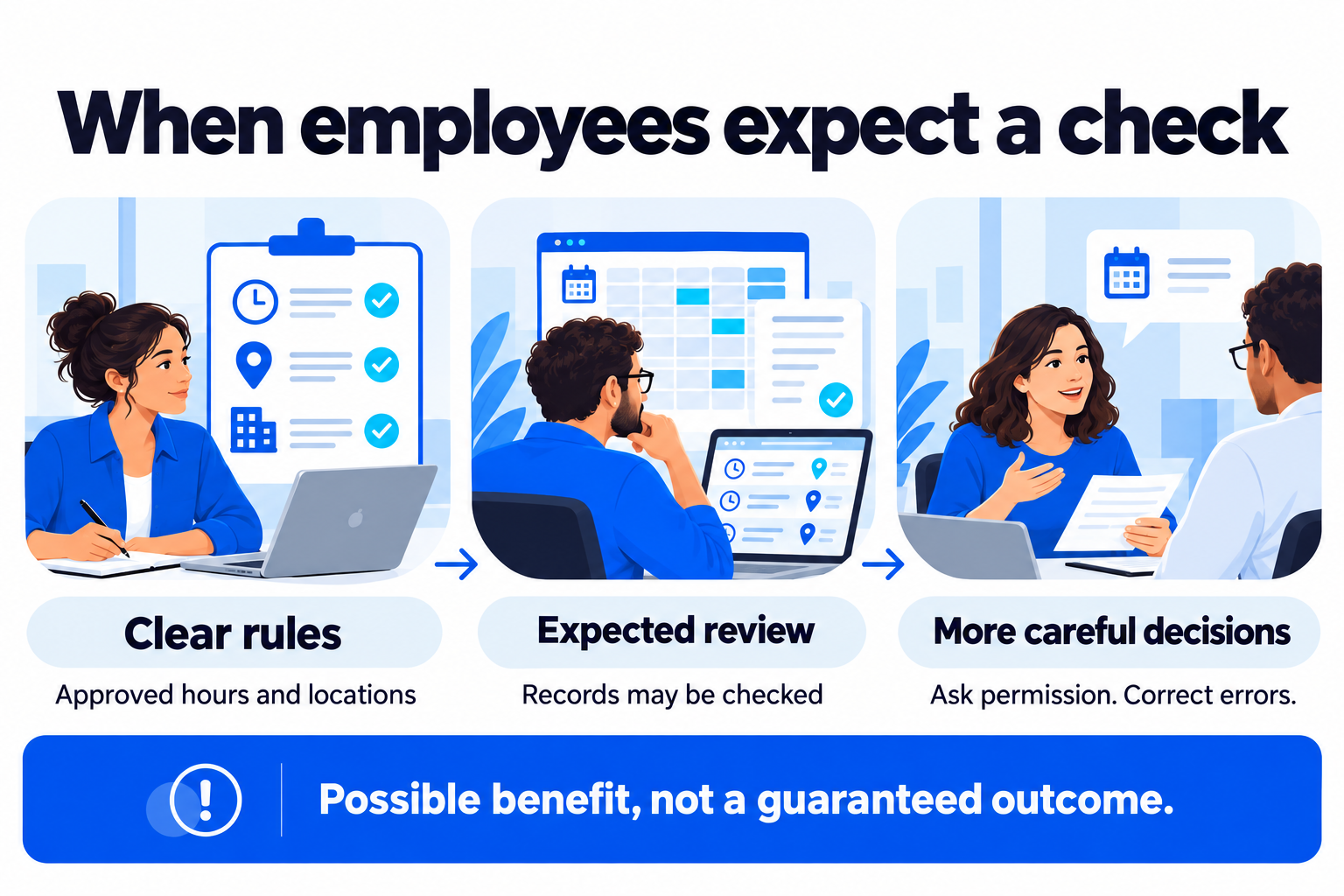
Knowing that records will be reviewed may also encourage employees to take policies more seriously. Someone may request approval before working from a different location or check an expense more carefully before submitting it.
That is useful, provided employees understand what is being checked and how exceptions are handled.
A Flag Still Needs an Explanation
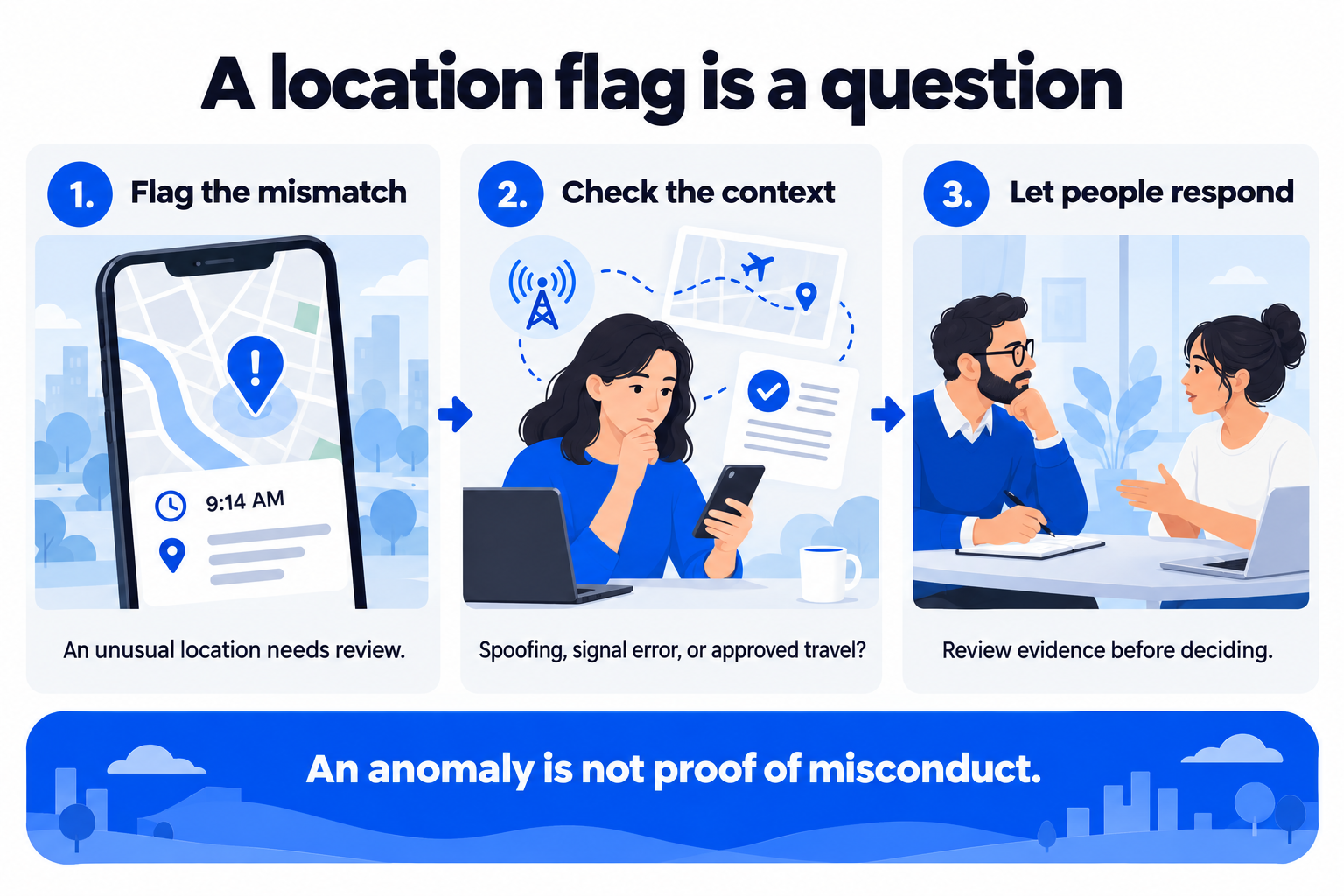
Consider an employee whose recorded work location does not match the approved location. That may deserve a question. It does not automatically establish that the employee did something wrong.
There could be an approved exception, inaccurate location data, or a technical issue. The manager needs to review the information and speak with the employee before reaching a conclusion.
The same applies to expenses. A charge that looks unusual may have a valid business purpose. Two similar transactions may be separate purchases. A receipt that AI cannot read may be perfectly acceptable when reviewed by a person.
An AI finding should start a review. Managers remain responsible for the decisions they make from it.
Too Much Dependence Creates Another Problem
As AI becomes more convenient, it is easy to start accepting its conclusions without asking enough questions.
An approver may assume that an expense is acceptable because AI did not flag it. Another may reject a submission because the system identified a concern, without checking whether that concern is valid.
Both situations create risk.
Managers still need to understand company policies, review supporting information, and recognize when an exception requires judgment. Employees also need to understand their responsibilities rather than assume that the system will catch every mistake.
AI can reduce the effort involved in reviewing information. Accountability still belongs to the people using it.
Use the Information to Look at Management, Too
If AI identifies repeated overtime, the first question should be why it keeps happening.
Are employees covering for colleagues on vacation? Is the department understaffed? Are deadlines unrealistic? Is a manager approving work without arranging enough coverage?
The records may reveal a problem with how the work is organized.
The same applies to missed breaks or work during paid time off (PTO). Those patterns should prompt a discussion about workload, coverage, and expectations. Focusing only on whether employees followed the rules can leave the underlying problem unresolved.
If companies use AI to hold employees accountable, they should also use the information to examine management decisions.
Employees Need Time Away From Work
An AI system can operate around the clock. Employees should not feel that they must do the same.
An automated reminder sent in the evening can create pressure to respond, even when no immediate response is needed. Repeated alerts during vacation can make it difficult to disconnect. Faster processing can also become an excuse to keep increasing workloads. These pressures can come from ordinary automated reminders as well as AI-assisted systems.
Companies need to be clear about when employees are expected to respond and what can wait until their next workday. Reminders and escalations should respect working hours, schedules, and approved leave.
AI should help reduce administrative work and identify unreasonable demands. Those benefits should reach employees as well as the business.
Management Still Owns the Outcome
I see real value in using AI to improve policy enforcement. It can help companies identify issues earlier, apply policies more consistently, and spend less time on repetitive reviews.
But implementing AI also requires clear limits. Employees should know what information is reviewed, how it is used, and who to contact when a finding is wrong. Managers need to verify conclusions and remain available to discuss exceptions.
For me, success means fewer errors, fairer decisions, less administrative work, and better visibility into problems that need attention.
If AI helps us achieve those results while respecting employees’ judgment and personal time, we are moving in the right direction.
There’s a New Chief at Work: How AI Changes Compliance
Read Now
Best expense management software for construction field crews (2026)
Read Now
Timesheets and Expense Reporting Software: The Top Questions We Hear From Buyers
Read Now
Best DCAA timesheet software for government contractors (2026)
Read Now
Expense Reporting Compliance: Policy to Audit Trail
Read Now
From Timesheet to Audit Trail: Building Compliance Into Time Reporting
Read Now
